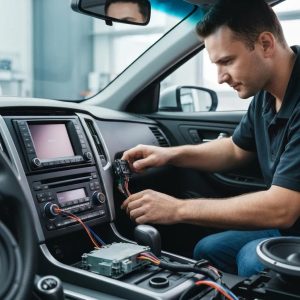
Custom Car Audio Installation: Expert Vehicle Sound System Upgrade and Classic Stereo Modernization
Custom car audio installation transforms lackluster factory sound into high-fidelity performance tailored to your ride. Many classic enthusiasts struggle with tinny stock stereos, uneven frequency response, and outdated head units. This guide reveals how D and B Sales’ expert approach solves poor audio balance, integrates cutting-edge technology, and preserves vintage aesthetics. Across four core themes—key system components, vehicle-specific customization, step-by-step installation, and cost considerations—you’ll discover how to upgrade speakers, amplifiers, DSP tuning, and sound deadening for cars, trucks, marine vessels, and ATVs.
What Are the Key Components of a Custom Car Audio System?
A custom car audio system combines precision speakers, powerful amplifiers, adaptable head units, and digital tuning tools to deliver balanced sound across bass, mids, and highs while preserving system reliability and safety.
Which Speakers and Subwoofers Deliver the Best Sound Quality?
High-quality speakers reproduce clear mids and highs by moving air efficiently, while subwoofers handle low frequencies with minimal distortion. Proper box design and cone materials control resonance mechanisms to prevent rattling and enhance bass impact.
Below is a comparison of popular speaker types and subwoofer styles that craftsmen select for clean, deep audio:
Component speakers and ported subwoofers excel at delivering balanced frequencies that prepare us to explore how amplifiers and head units power and control these performance drivers.
How Do Amplifiers and Head Units Enhance Your Vehicle’s Audio?
An amplifier increases signal power to drive speakers at higher volume without distortion, while a modern head unit manages input switching, equalization, and smartphone integration.
Class D amplifiers boost power efficiency and reduce heat, ensuring consistent performance. Head units with Apple CarPlay and Android Auto compatibility transform dashboards into multimedia hubs.
What Role Does Digital Signal Processing (DSP) Play in Audio Tuning?
Digital signal processing applies real-time equalization, time alignment, and crossover configurations to correct cabin acoustics. By analyzing speaker output and compensating for reflections, DSP units create a cohesive soundstage that envelops every passenger. Proper DSP setup transforms raw component potential into tailor-made audio experiences.
How Is Custom Car Audio Installation Tailored for Different Vehicle Types?
Custom installations adapt to interior space, vibration profiles, and environmental challenges for each vehicle category.
What Are the Best Practices for Classic Car Stereo Modernization?
Classic car installs balance vintage aesthetics with modern functionality by hiding amplifiers under seats and using retro-style head units with hidden Bluetooth modules. Preserving dash wiring and using period-correct knobs maintains authenticity while adding audio features that elevate ride enjoyment.
How Are Truck and Off-Road Vehicle Audio Systems Customized?
D and B Sales’ Car and Truck Audio Solutions focus on robust mounts, weather-resistant enclosures, and high-output amplifiers. Truck cabins often need higher SPL levels, so teams select marine-grade speakers and reinforce door panels to handle extra power.
What Special Considerations Are There for Marine and ATV Audio Installations?
Marine Audio Solutions demand corrosion-proof wiring, UV-resistant cones, and gasket-sealed enclosures to combat saltwater spray. ATV Audio Solutions rely on shock-absorbing mounts and fully sealed amplifiers to protect electronics from dust and moisture, ensuring reliable performance off-road.
What Is the Step-by-Step Process for Professional Car Audio Installation?

Professional installation follows a proven sequence to match components, secure wiring, and optimize acoustic performance.
How Are Components Selected and Matched for Optimal Performance?
Technicians evaluate cabin volume, impedance ratings, and power handling to pair speakers with amplifiers. Matching RMS power to speaker capacity prevents clipping, while crossover settings route correct frequency bands to each driver.
What Does the Wiring and Mounting Process Involve?
Installation begins by running power and ground cables with proper gauge sizing to support current flow. Signal wires use shielded RCA connections to avoid interference. Secure mounting brackets align speakers flush with panels, and head units sit firmly in dash harnesses.
How Is Sound Deadening Used to Improve Audio Quality?
Adding butyl mats and foam layers dampens panel vibrations and reduces road noise, allowing speakers to focus energy on air movement rather than rattling metal. This acoustic control enhances clarity and dynamic range, preparing for a professional tuning session.
Why Choose Professional Custom Car Audio Installation Over DIY?
Professionals deliver superior sound, reliability, and safety compared to average DIY efforts.
What Are the Benefits of Expert Tuning and System Optimization?
Expert tuning calibrates equalization curves and time alignment to compensate for cabin shape, ensuring every frequency is balanced. Technicians use measurement microphones and software to achieve reference-level performance that DIY methods often miss.
How Does Professional Installation Ensure Safety and Warranty?
Certified installers adhere to electrical standards, fuse protection, and secure mounts to prevent fire hazards and equipment damage. Workmanship guarantees keep component warranties intact and protect vehicle integrity under heavy vibration.
What Do Customer Testimonials and Case Studies Reveal About Quality?
Enthusiasts praise consistent clarity and deep bass after installations, noting how custom speaker placements and sealed enclosures solve rattling and distortion. Success stories highlight seamless integration of tech like DSP processors for immersive sound on every drive.
How Much Does Custom Car Audio Installation Cost and What Influences Pricing?
Pricing reflects system complexity, component quality, and labor expertise.
What Are Typical Price Ranges for Different Vehicle Audio Upgrades?
Below is a general investment guide for common installation packages:
These ranges reflect typical projects and lead us to examine how component choices further influence costs.
How Do Component Choices Affect Installation Costs?
Premium brands, advanced DSP units, and bespoke enclosures increase material expenses. For example, high-end Kicker Car Audio, Subwoofers, Amplifiers, Speakers offer durable magnets and precise voice coils at a higher price point but deliver refined sound and long-term reliability.
Are There Financing or Package Deals Available?
Many custom installers provide financing plans and bundled service discounts. Exploring products and service packages through D and B Sales can reduce upfront costs and include professional tuning sessions for a complete solution.
Upgrading your ride with custom car audio installation brings measurable clarity, power, and style to every journey. Enthusiasts gain precise control, aesthetic harmony, and durable craftsmanship that factory systems cannot match. To discuss your next audio project and schedule a consultation, reach out via Contact D and B Sales.